

How To Get Through Your Forking Day
Spoon Theory--a small change in thinking that has brought more joy back to my life

Over the last few years, I’ve learned the difference between tired and fubar’d exhausted. I was always a pretty active person between running, swimming, dancing (ok, at a bar or naked around my apartment while my dog stared at me cockeyed), and walking everywhere. But I hit a wall.
Long story short, after years of getting the medical runaround, I finally got a reacharound and we’re on track to a diagnosis and management of my Gumby Disease (Ehlers-Danlos Syndrome).
I’m getting through the physical pain like a champ, but the exhaustion has been a real pain in the ass. It’s really hard to slow yourself down after being so active. Nobody wants to live life on the sidelines. But what do you do when the energy just isn’t there, and the diminishing returns of main-lining coffee wore off long ago?
Well, I found spoon theory — and it’s made a big forking difference.
Spoon Theory
Spoon Theory is the brainchild of Christine Miserandino, who lives with lupus, a chronic autoimmune disease. One day she and a friend were eating in a diner and the friend asked her to explain what living with a chronic illness was like.
“At that moment, the spoon theory was born. I quickly grabbed every spoon on the table; hell I grabbed spoons off of the other tables. I looked at her in the eyes and said “Here you go, you have Lupus”. She looked at me slightly confused, as anyone would when they are being handed a bouquet of spoons. The cold metal spoons clanked in my hands, as I grouped them together and shoved them into her hands.
I explained that the difference in being sick and being healthy is having to make choices or to consciously think about things when the rest of the world doesn’t have to. The healthy have the luxury of a life without choices, a gift most people take for granted.”
Spoons are units of energy. Units of energy that she explains have to be consciously considered while planning your day.
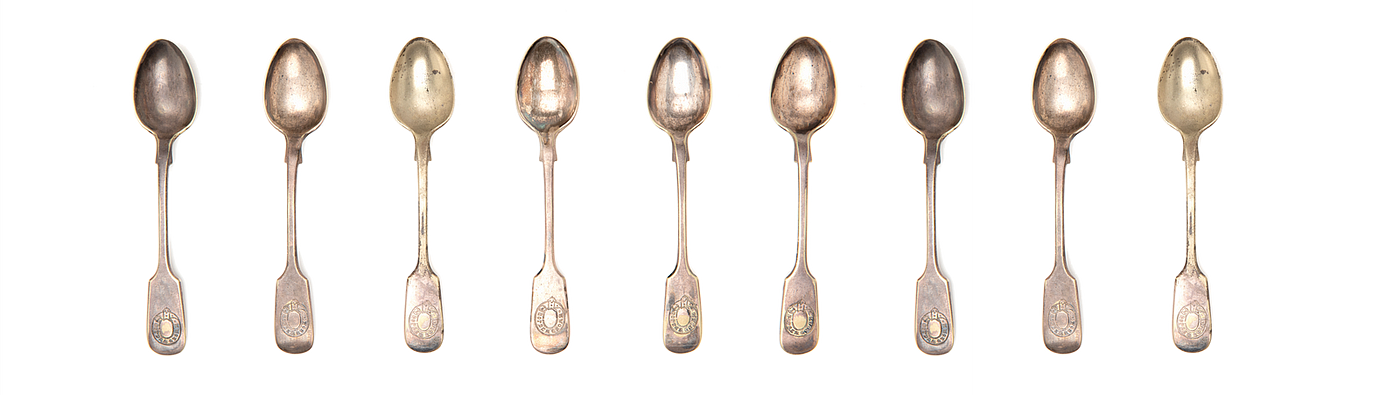
Each day you have your spoons. Let’s say there are 9 of them. Each task you do uses a spoon (or spoons). For example, getting ready and going to work costs you 1 spoon. The work day, 4 spoons. Cooking dinner and laundry, 2 spoons. You’ve got 2 spoons left to do whatever you want, like crocheting or a gangbang.
.jpg)
Chronics, people who are unwell through a physical or mental illness, might need 1 spoon just to have a shower. Breakfast alone might take another spoon. Or maybe just spatula-ing yourself out of bed in the morning takes half your forking spoons.
Those people need to allocate their spoons more carefully than a healthy person. And they might not even wake up with 9 spoons every day.
One day you might get corkscrewed and wake up with 4 just spoons. And if you use all 4 — then you’ve still given 100% that day.
Spooning Leads to Forking
There’s an entire spoon theory modification made for our neurospicy friends, who often use the supplemental fork theory. Fork theory (for forkies), is based on the phrase, “Stick a fork in me, I’m done.” And life’s stressors are each one forking.
Some people can tolerate being poked with a fork a lot. But those on the autism spectrum, for example, generally have a lot more pokes in their days. So they need to plan their day according to how much forking they can take.

I’m Not Lazy — I’m Just Spoonie
While in life I generally don’t give a fork what people think of me, I have to admit — the idea of someone thinking I’m lazy hurts. The reality though, is that often activities take more out of me than a healthy person. But that doesn’t mean us spoonies aren’t painfully sensitive to how things can look.
This past summer my sister got married in a beautiful backyard wedding, and I was her maid of honor. They needed help setting up the tents, lights, arbor, etc. As the MOH, I should have helped the most but I probably did less than half what everyone else did. That half however left me in pain and exhausted for days after. That day I borrowed spoons from days to come, just to make it through.
So while others did more work, it may have only cost them a few spoons.
I’m lucky that my sister is an empathetic, sweet soul. We both pretended that I wasn’t on light duty. But her ability to count how many spoons I had to give, and how many I had left is a true gift. May we all learn one day what a gift that is to spoonies like me.
You may or may not have good spoon counters in your life. If someone doesn’t understand your spoon level, explain it to them. And if they still don’t respect it, tell them to fork off.
Count Your Spoons
I think my sister, and my mom, are better at counting my spoons than I am. I believe that for many of us, it’s easier to treat others with patience than it is ourselves.
But if you’re like me, there’s hope for us yet.
For example, taking my dogs up to the lake for a short hike is hands-down my favorite activity. But it takes a lot of spoons. Today I only had one spoon to allot to the dogs, so I drove them to a nearby park, let the old dog meander and sniff, and threw a stick for the young one that I call ‘crazy pants’.
Despite loving it, I’ve learned that I can only take them on a hike 2–3 times per week now. It takes a lot of spoons, and I can’t plan much else that day. I also can’t have a high-spoon day the next day. It sucks, but as long as I plan my life accordingly — I still get to enjoy my time there with my old bitch and crazy pants.
Learn how to spend your spoons wisely.
Use spoon theory to prioritize your energy goals. Some days you may have used up all your spoons by 5 pm, so when that friend asks you to do something, you tell them you’d rather put your ballsack in a meat grinder than go bowling. Next time, you can plan ahead and save some spoons.
Be patient with yourself (yes, I’m saying that to myself too), because getting through some days feels like you’re trying to eat soup with chopsticks. Those days when you’ve been put through the cheese grater of life and have less spoons — give yourself grace, because try as you might, you can’t muster more spoons.
Take things one day, and one spoon at a time. It will help you live up to your spoontential, motherforkers.
And if you know an energy-deficient spoonhead, give them the grace of pretending they're not on light duty.
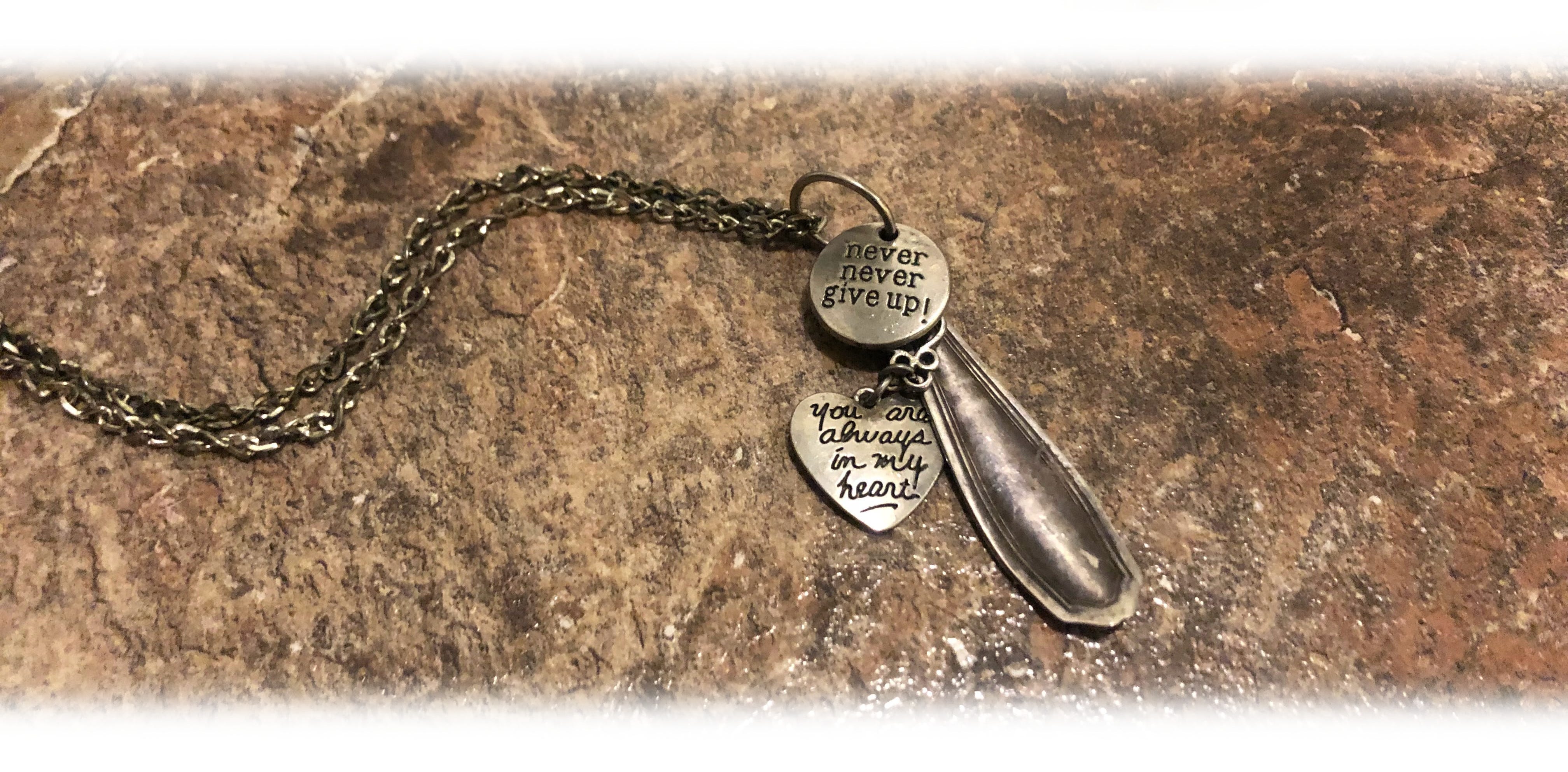
Here’s wishing that you never run out of spoons, and that you always give a fork.
Oh, and have a knife day.
…I won’t apologize for my bad puns.
“Spoons for seniors”……..at 74 it really helps define my weak (not a misspelling)………😃🥲😂🥲🤣😢
Being the only (openly) Autistic person at work, I didn't realize that everyone else was armed with forks, and don't give a fork about how much they forking fork me. And steal my spoons, until I read this.